Installing a new furnace is a major investment in your home’s comfort and safety. While it may be tempting to cut costs with a DIY approach or hire an inexperienced installer, furnace installation is a complex job that requires technical knowledge, precision, and strict adherence to safety standards.
Here’s why trusting a professional for your furnace installation is the smartest decision you can make.
Installing a new furnace is a major investment in your home’s comfort, efficiency, and safety. While some homeowners may consider attempting installation themselves to save money, furnace installation is a complex process that requires technical expertise, proper tools, and knowledge of safety codes. Trusting a professional ensures your system operates efficiently, safely, and reliably from day one.
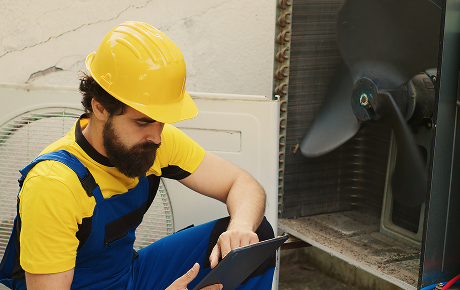
One of the most important steps in furnace installation is choosing the correct size and type of system for your home. A furnace that is too small will struggle to heat your space, running constantly and increasing energy bills. On the other hand, an oversized unit may cycle on and off too frequently, causing uneven temperatures and unnecessary wear.
Professional HVAC technicians perform detailed load calculations based on your home’s square footage, insulation, layout, windows, and climate. This ensures the furnace you install matches your home’s heating needs, providing consistent comfort and optimal efficiency.
Furnaces—especially gas-powered models—must be installed according to strict safety standards and local building codes. Improper installation can lead to gas leaks, carbon monoxide exposure, fire hazards, or ventilation problems. These risks are serious and can endanger your household.
Licensed professionals understand current codes and regulations. They properly connect gas lines, electrical wiring, and ventilation systems while ensuring the heat exchanger and combustion components function safely. A professional installation minimizes the risk of dangerous malfunctions and gives you peace of mind.
Modern furnaces are designed to operate at high efficiency levels, but improper installation can significantly reduce their performance. Incorrect duct connections, poor airflow setup, or faulty thermostat calibration can cause the system to work harder than necessary.
Professional installers carefully seal ductwork, test airflow, adjust blower settings, and calibrate the thermostat. These steps ensure your furnace operates at peak efficiency, reducing energy consumption and lowering monthly heating bills. Over time, improved efficiency can result in substantial savings.
Energy efficiency is another key benefit of routine HVAC check-ups. Over time, dust and debris accumulate within the system, restricting airflow and forcing the equipment to work harder to maintain the desired temperature. Dirty coils, clogged filters, and blocked vents reduce system performance and increase energy consumption.
During a maintenance visit, technicians clean essential components, inspect ductwork, and ensure that airflow remains unobstructed. They also check refrigerant levels and calibrate thermostats to ensure optimal performance. When your HVAC system runs efficiently, it uses less energy to achieve the same level of comfort. This translates directly into lower monthly utility bills and reduced environmental impact.
Even small improvements in efficiency can add up to significant savings over time. Regular maintenance ensures your system operates at its designed performance level rather than gradually declining in efficiency year after year.
We use cookies to improve your experience, analyze traffic, and personalize content. You can manage your cookie preferences or opt out of non-essential cookies at any time.
Manage your cookie preferences below:
Essential cookies enable basic functions and are necessary for the proper function of the website.
These cookies are needed for adding comments on this website.
Marketing cookies are used to follow visitors to websites. The intention is to show ads that are relevant and engaging to the individual user.
Google Maps is a web mapping service providing satellite imagery, real-time navigation, and location-based information.
Service URL: policies.google.com (opens in a new window)
You can find more information in our Cookie Policy and .