
Your air conditioner’s filter plays a critical role in keeping the air in your home clean and your system running efficiently. It traps dust, pollen, pet dander, and other airborne particles, preventing them from circulating through your living space. Over time, these filters become clogged, reducing airflow, decreasing system performance, and causing your AC to work harder — which can raise energy costs and increase wear and tear.
Improve indoor air quality
Maintain optimal cooling performance
Extend your system’s lifespan
Reduce energy usage and utility bills
Protect HVAC components from dirt and debris buildup
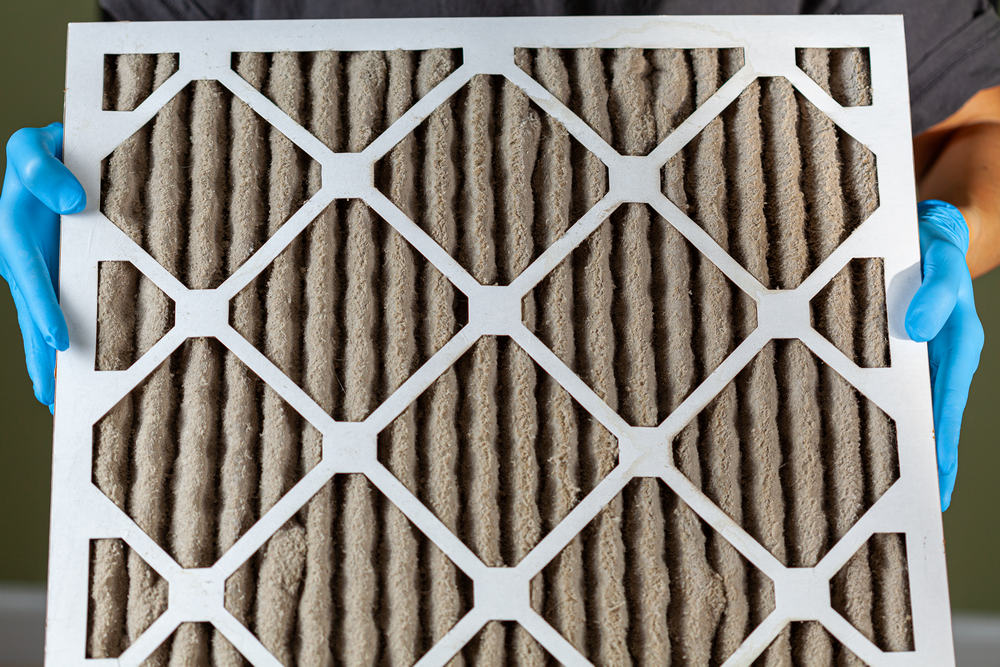
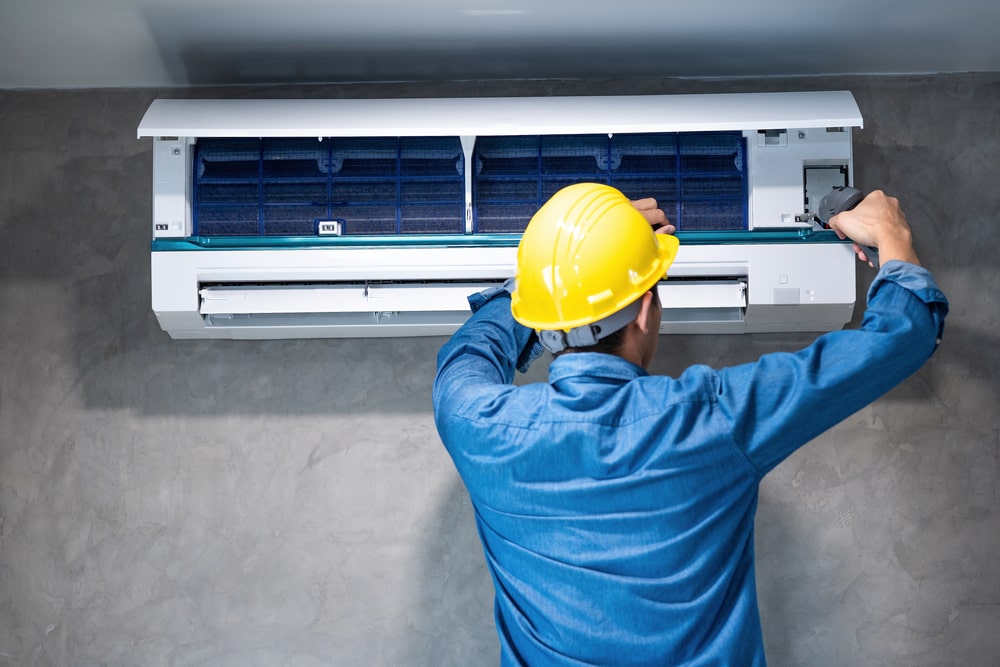
The frequency of filter replacement depends on several factors, including:
Type of filter installed
How often your AC runs
Household size and pets
Air quality in your area
As a general guideline, most standard filters should be changed every 30–90 days. High-efficiency filters may last longer, while homes with pets or high dust levels may require more frequent changes.
You may need to replace your AC filter if you notice:
Reduced airflow from vents
Poor cooling or uneven temperatures
Increased dust around your home
Strange odors when the AC is running
Higher than normal energy bills
Ignoring a dirty filter can lead to strain on your system and costly repairs down the line.
We use cookies to improve your experience, analyze traffic, and personalize content. You can manage your cookie preferences or opt out of non-essential cookies at any time.
Manage your cookie preferences below:
Essential cookies enable basic functions and are necessary for the proper function of the website.
These cookies are needed for adding comments on this website.
Marketing cookies are used to follow visitors to websites. The intention is to show ads that are relevant and engaging to the individual user.
Google Maps is a web mapping service providing satellite imagery, real-time navigation, and location-based information.
Service URL: policies.google.com (opens in a new window)
You can find more information in our Cookie Policy and .