
Your HVAC filter is one of the most important yet often overlooked components of your heating and cooling system. Its primary job is to trap dust, dirt, pollen, pet dander, and other airborne particles before they circulate throughout your home. By capturing these contaminants, the filter not only helps maintain healthier indoor air quality but also protects the internal components of your HVAC system from buildup and damage.
Even though the filter may appear small and inexpensive, it has a significant impact on overall system performance. A clean filter allows air to flow freely through the system, helping it operate efficiently and maintain consistent temperatures throughout your space. When airflow is unrestricted, your equipment doesn’t have to work as hard to heat or cool your home, which can lead to lower energy consumption and reduced utility bills.
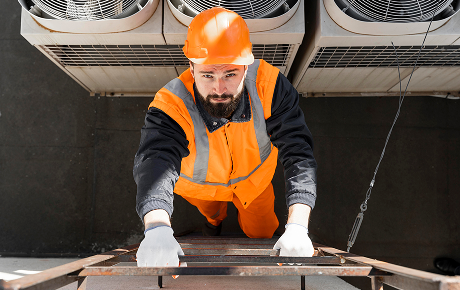
Your HVAC system works hard every day to keep your home comfortable. But one small component plays a huge role in maintaining its efficiency and performance — the air filter. Regularly changing your HVAC filter may seem like a minor task, but it has a big impact on your system’s lifespan, air quality, and energy costs.
Let’s break down why this simple maintenance step is so important.
Regular maintenance reduces wear and tear, helping your HVAC system last longer and protecting your investment.
A clean filter helps:
Reduce allergens in the air
Improve breathing comfort
Minimize dust buildup in your home
Create a healthier indoor environment for your family
If anyone in your home suffers from allergies or asthma, changing the filter regularly becomes even more important.
When your air filter becomes dirty, airflow is restricted. This forces your HVAC system to work harder to push air through the clogged filter. The result?
Higher energy consumption
Increased utility bills
Extra strain on system components
A clean filter allows air to flow freely, helping your system run more efficiently and reducing energy waste.
Restricted airflow can cause overheating and unnecessary wear and tear on internal parts. Over time, this can lead to expensive repairs or even complete system failure.
By replacing the filter regularly, you:
Reduce strain on the blower motor
Prevent overheating
Protect key components
Extend the overall lifespan of your HVAC unit
Think of it as a small investment that prevents costly breakdowns.
Have you ever noticed uneven heating or cooling in different rooms? A clogged filter can disrupt airflow throughout your home.
Changing your filter helps:
Maintain consistent temperatures
Improve system performance
Ensure better comfort in every room
We use cookies to improve your experience, analyze traffic, and personalize content. You can manage your cookie preferences or opt out of non-essential cookies at any time.
Manage your cookie preferences below:
Essential cookies enable basic functions and are necessary for the proper function of the website.
These cookies are needed for adding comments on this website.
Marketing cookies are used to follow visitors to websites. The intention is to show ads that are relevant and engaging to the individual user.
Google Maps is a web mapping service providing satellite imagery, real-time navigation, and location-based information.
Service URL: policies.google.com (opens in a new window)
You can find more information in our Cookie Policy and .